
How to Evaluate Contractor Bids for an Outdoor Living Project in San Antonio
- 21 hours ago
- 4 min read

You've done your research. You have two or three bids in hand. The numbers are all over the place and you're not sure why. One contractor came in $8,000 lower than everyone else. This is one of the most common situations homeowners face before an outdoor project, and it's genuinely confusing. So let's make it less confusing.
After nearly 30 years of building outdoor living spaces in San Antonio, we've seen what's inside the bids that come in low, and we've seen what happens to those projects two Texas summers later. Here's what actually matters when you're comparing quotes.
A lower bid isn't a better deal. It's a different project.
That sounds obvious, but it's worth sitting with. Two bids for "a covered patio with an outdoor kitchen" can differ by $15,000 and describe completely different scopes of work. The problem is that neither bid document always tells you where the difference lives.

1. What's actually included in the scope
A bid that says "patio installation, materials and labor" is not a detailed bid. It leaves enormous room for interpretation about what materials, which grade, how much site prep, and what happens if they find a drainage problem two feet under your yard.
A detailed proposal should be itemized line by line. Materials. Labor. Drainage work. Site preparation. Electrical rough-in if applicable. Anything that will be touched on your property should show up somewhere on the page. If you're looking at a single-page bid with one number, you're not comparing a real scope.
2. Material grades and specifications
Pavers, synthetic turf, outdoor appliances, concrete mixes, and wood species all exist at multiple price and quality levels. A builder-grade paver and a premium paver can look nearly identical in a bid document. They will not look the same after a few years of San Antonio heat and freeze-thaw cycles.
Ask any contractor you're considering to specify materials by name and grade. If a contractor is unwilling to do that, it's useful information.
3. What's happening under the surface
This is where the real price differences live, and it's the one most homeowners don't think to ask about.
Drainage and grading work is one of the most misunderstood and mishandled parts of outdoor construction in this industry. Most contractors will build right over a drainage problem because fixing it adds cost and eats into margin. The homeowner doesn't see the issue until it rains heavily and water is pooling against their foundation or creeping under their patio.
A few thousand dollars in drainage work left out of a bid turns into a much larger correction project later. We've rebuilt projects that failed because someone skipped this step. Every one of those homeowners said the same thing: they wish they'd paid for it correctly the first time.
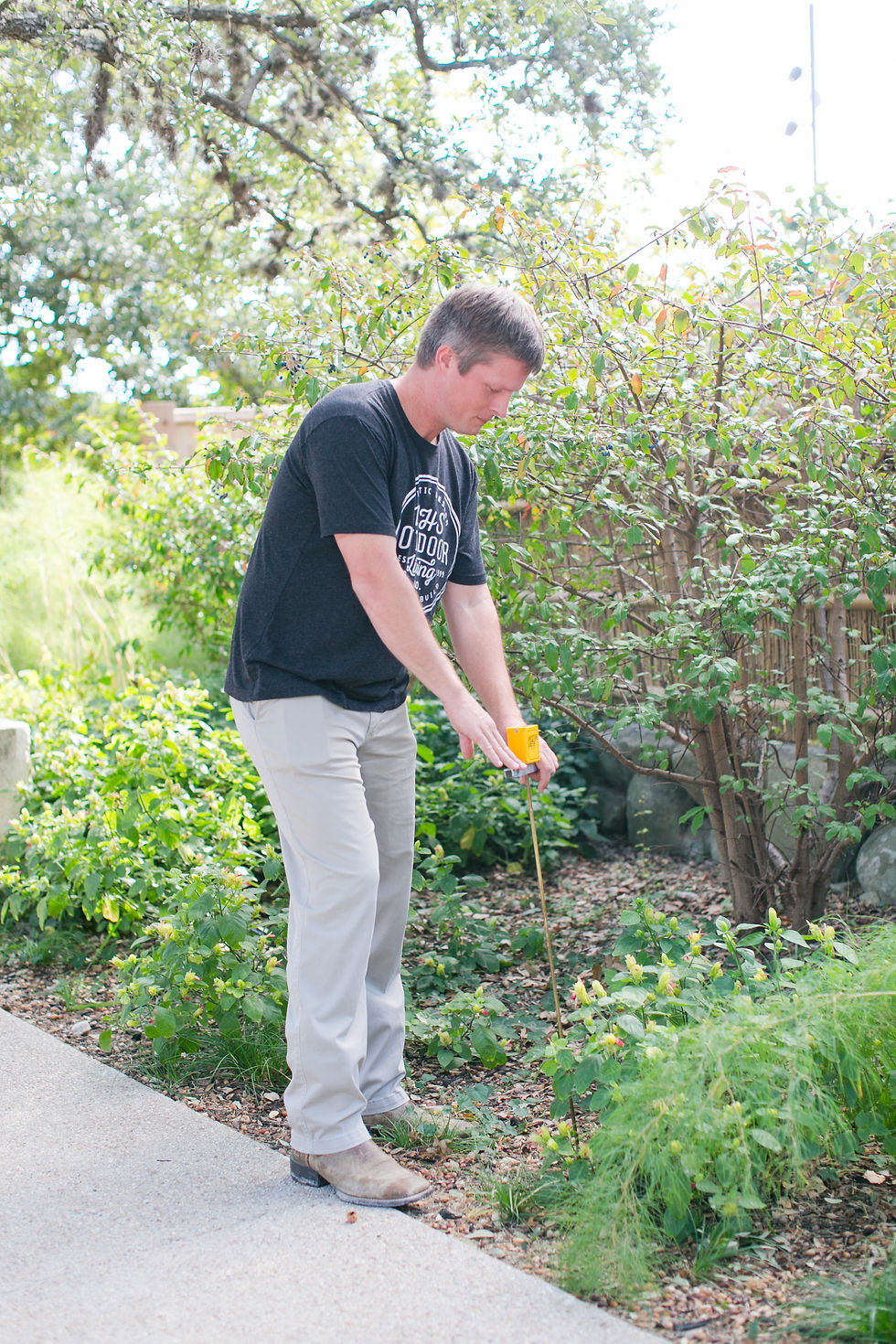
When evaluating bids, ask each contractor: did you evaluate my drainage and grade? Is drainage work included? If not, why not, and what happens if we find a problem mid-build?
4. What happens after the crew leaves
Post-installation support varies significantly by contractor. At VHS, every project that includes plants, irrigation, a water feature, a fire feature, or any element that needs monitoring in the first few weeks after installation includes a complimentary Well Check visit. One of our consultants returns to walk the site, test systems, inspect plant material, and confirm everything is performing as it should. Not every contractor does this.
A quick evaluation checklist
Before you decide, run every bid through these questions.
Is the proposal itemized line by line, or is it a single number?
Are materials specified by name, grade, or product line?
Did the contractor walk your yard and evaluate your drainage before quoting?
Is drainage and site prep work included? If not, why not?
Who is your point of contact during construction?
What happens if the scope changes mid-project? Is that documented as a change order?
Is there any post-installation follow-up included?
Red flags worth knowing
These don't automatically disqualify a contractor. But they're worth pausing on.
A quote sent without a site visit, especially for a project with drainage, grade changes, or significant hardscape
No itemized breakdown, just a project total or a few broad line items
Pressure to sign quickly or claims that pricing expires in days
Vague answers when you ask about drainage or site prep
No clear answer on who manages your project once construction begins
What VHS does differently
We charge $50 for an initial consultation. That's a real on-site visit from an experienced consultant who walks your property, evaluates your drainage, reviews your goals and budget, and gives you honest guidance, including a preliminary budget range so you know if we're in the right ballpark before either of us invests more time.
If we move forward, your project proposal is itemized line by line. Materials, labor, drainage elements, site prep, everything we'll touch is on the page. The only time the total changes after you approve it is if you request a change. That gets documented as a change order. No surprises.
You'll work with the same consultant from your first visit through the final walkthrough. Byron or Jose manages your project during construction. When the work is done and it includes anything living or mechanical, we come back for a Well Check to confirm everything is performing the way it should.
We're not the cheapest option in San Antonio. We're the right option for homeowners who want to understand what they're paying for, know their project will be built to last, and not spend the next year dealing with problems that could have been avoided.
Life is too short for a boring backyard, and too expensive to build it twice.


Comments